The Journey to Digital: How to Transform Your Business in a Digital-First World
Roshan KC
Published
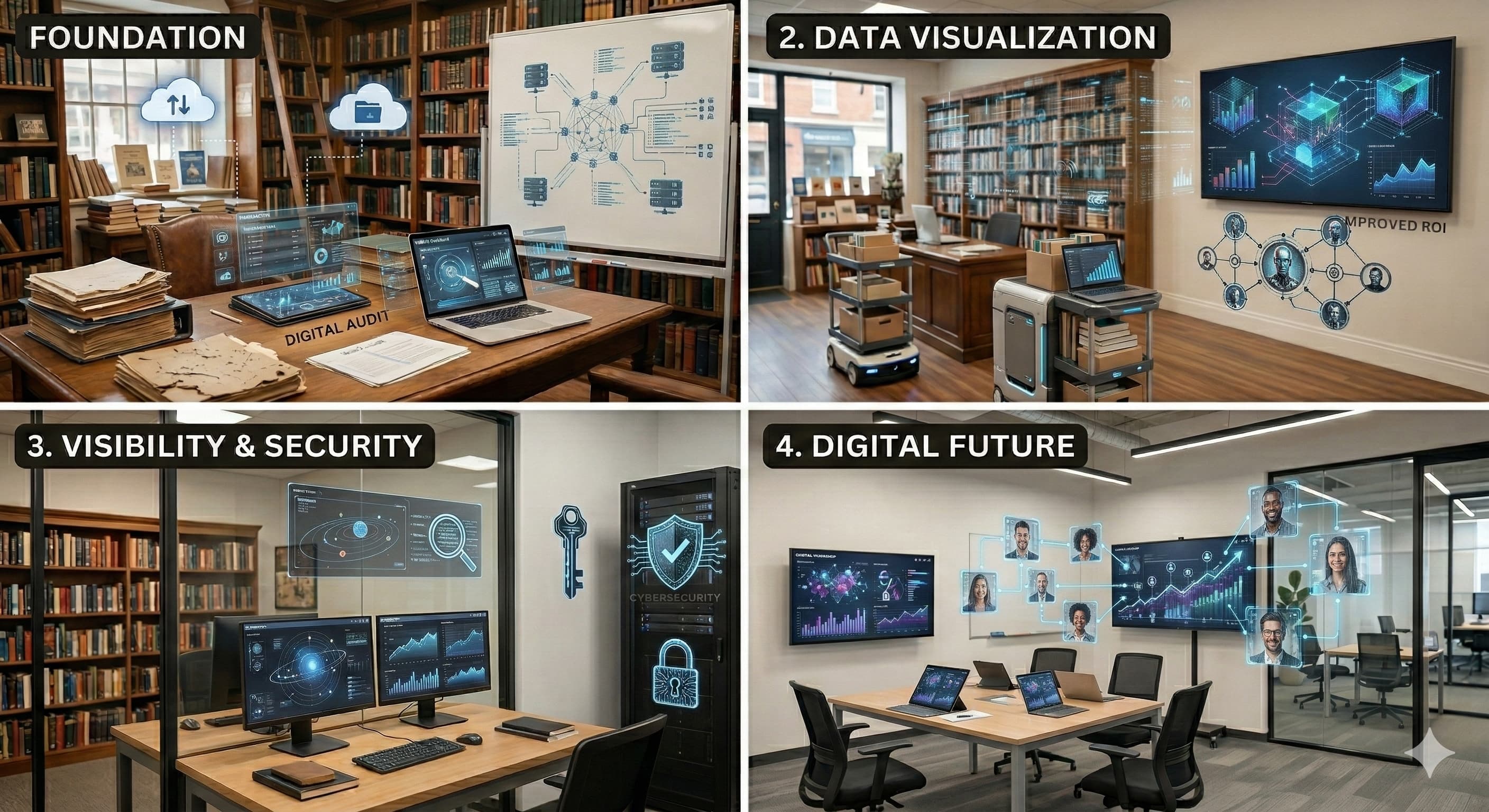
In today’s fast-moving world, going digital is no longer optional — it’s essential. Whether you’re a small local shop or a growing enterprise, digital transformation can help you improve efficiency, reach new customers, and stay competitive.
But what does “making your business digital” really mean? And how do you do it successfully?
Let’s break it down step by step.
1. Understand What Digital Transformation Really Means
Digital transformation is not just about building a website or opening a social media account. It’s about rethinking how your business operates using technology.
It includes:
-
Digitizing internal processes
-
Automating repetitive tasks
-
Using data to make better decisions
-
Improving customer experience through digital channels
It’s both a technology shift and a mindset shift.
2. Assess Your Current Business Model
Before jumping into tools and platforms, take a step back.
Ask yourself:
-
Where are we losing time or money?
-
What processes are manual but could be automated?
-
How do customers currently interact with us?
-
Where are competitors ahead digitally?
Conducting a digital audit helps you identify gaps and opportunities. This becomes the foundation of your digital roadmap.
3. Build Your Digital Foundation
Every digital business needs a solid base. This usually includes:
A Professional Website
Your website is your digital storefront. It should:
-
Clearly explain what you offer
-
Be mobile-friendly
-
Load quickly
-
Include clear calls to action
Cloud-Based Tools
Platforms like Google Workspace or Microsoft 365 allow teams to collaborate in real time and store data securely.
Digital Payment Systems
Enable seamless transactions using platforms like Stripe or PayPal to make purchasing easy for customers.
4. Automate and Optimize Operations
Automation reduces human error and frees up time for higher-value work.
Examples:
-
Customer relationship management (CRM) systems
-
Email marketing automation
-
Inventory management software
-
Chatbots for customer support
Tools like HubSpot help centralize marketing, sales, and customer data in one place.
Automation isn’t about replacing people — it’s about empowering them.
5. Leverage Data for Smarter Decisions
Digital systems generate data. Smart businesses use that data.
With analytics tools such as Google Analytics, you can:
-
Track website visitors
-
Measure campaign performance
-
Understand customer behavior
-
Improve marketing ROI
Data removes guesswork and supports strategic growth.
6. Strengthen Your Online Presence
Once your operations are digitized, focus on visibility.
Key channels include:
-
Search engine optimization (SEO)
-
Social media marketing
-
Email campaigns
-
Online advertising
Platforms like Meta (Facebook & Instagram) and LinkedIn help businesses reach targeted audiences.
Consistency is key — digital presence is built over time.
7. Invest in Cybersecurity
Going digital increases exposure to risk.
Protect your business by:
-
Using strong authentication methods
-
Encrypting sensitive data
-
Training employees on cyber awareness
-
Backing up systems regularly
Security is not optional — it’s foundational.
8. Train Your Team and Build a Digital Culture
Technology alone won’t transform your business — your people will.
Provide:
-
Ongoing digital skills training
-
Clear communication about new tools
-
Leadership support for innovation
Encourage experimentation and continuous improvement. A digital culture values adaptability.
9. Measure, Improve, Repeat
Digital transformation is not a one-time project — it’s an ongoing process.
Set KPIs, track progress, and continuously refine your approach. Markets evolve, technologies advance, and customer expectations shift.
Stay agile.
Final Thoughts
Making your business digital isn’t about chasing trends. It’s about building resilience, improving efficiency, and delivering better customer experiences.
Start small. Focus on impact. Scale gradually.
The businesses that embrace digital transformation today will be the ones leading tomorrow.
